Bose QuietComfort Headphones (2nd Gen): Comfort Comes First
These are the most comfortable headphones I've tested, with strong noise cancelling and clear sound. Battery life, the limited EQ and an odd transparency-mode & the price makes them harder to justify.

By James · Picky Audio
· 7 min read
QUICK TAKE
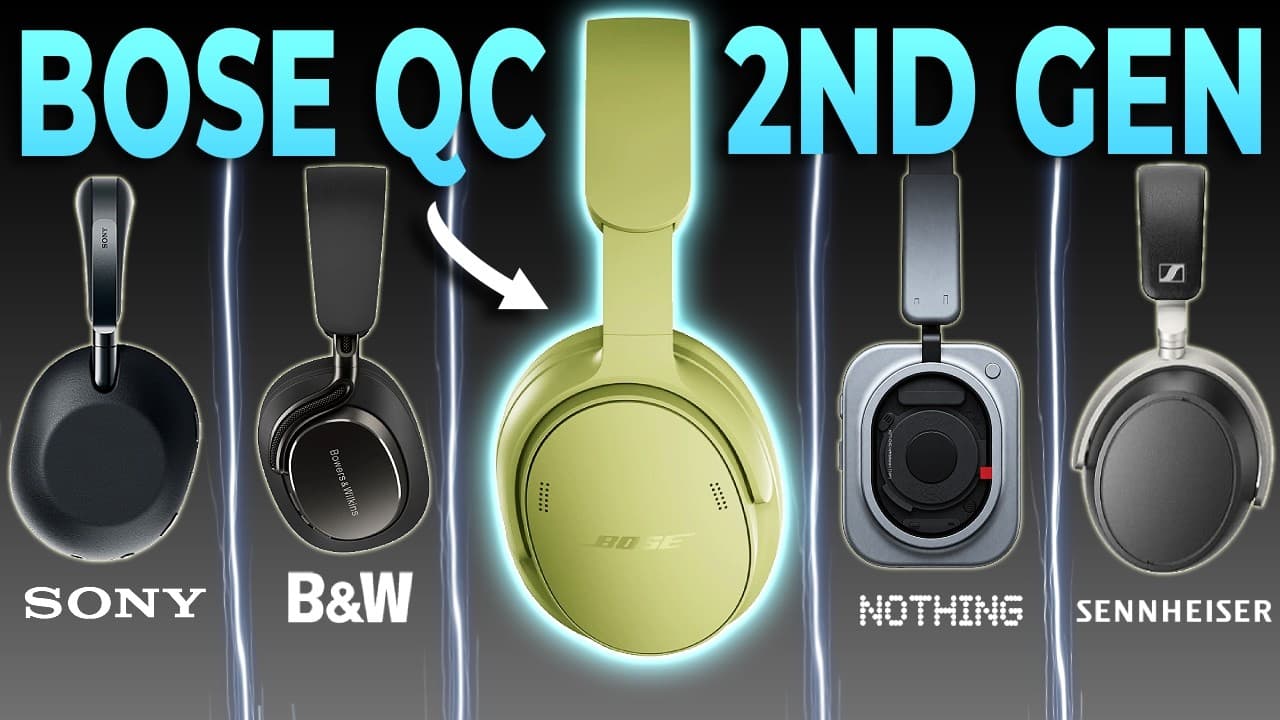
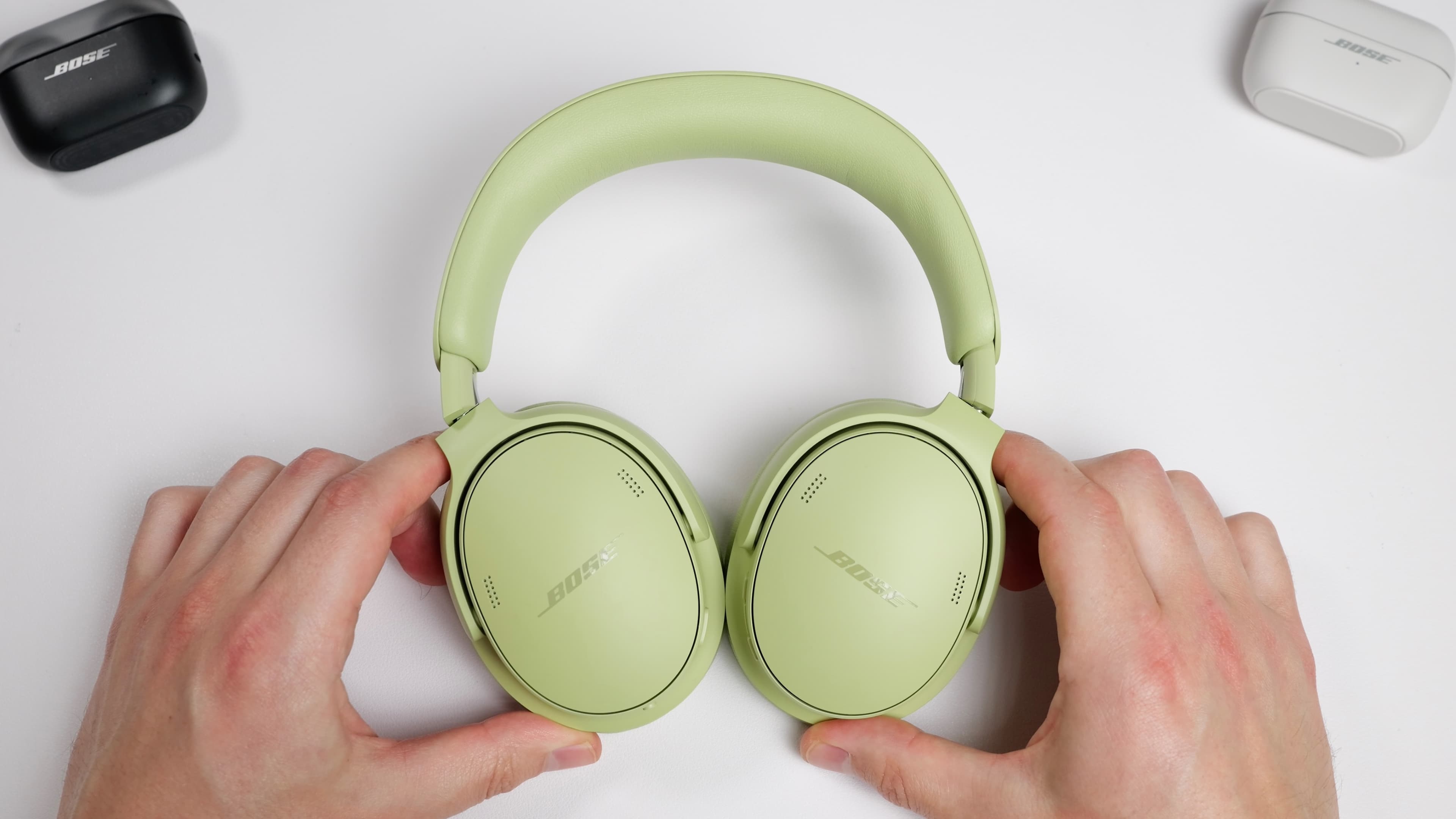
In my Bose QuietComfort Headphones (2nd Gen) review, comfort is the reason to pay attention. I scored fit a 10 out of 10: the light weight, softer ear pads and balanced clamping force make these the most comfortable headphones I've tested. Sound and noise cancelling are strong too.
I wouldn't rush to buy them at full price. The QuietComfort Ultra 2 sounds a little better to my ears and performs better for calls and noise cancelling. If the QuietComfort Headphones (2nd Gen) are on sale and comfort is your priority, I'd say they're definitely worth it.
THE SCORECARD
How the Bose QuietComfort Headphones (2nd Gen) scored
- CATEGORIES
- 10
- STRONGEST
- 10Fit
- WEAKEST
- 6.5Battery life
Sound quality
9/10Clear vocals and smooth treble work well, though the stock bass is a bit boomy for my liking Since can be fixed in the EQ but only 3 bands offers limited bass control.
Build quality
8.25/10They feel neither premium nor cheap, and the compact case offers a little less protection than the Ultra 2 case.
Fit
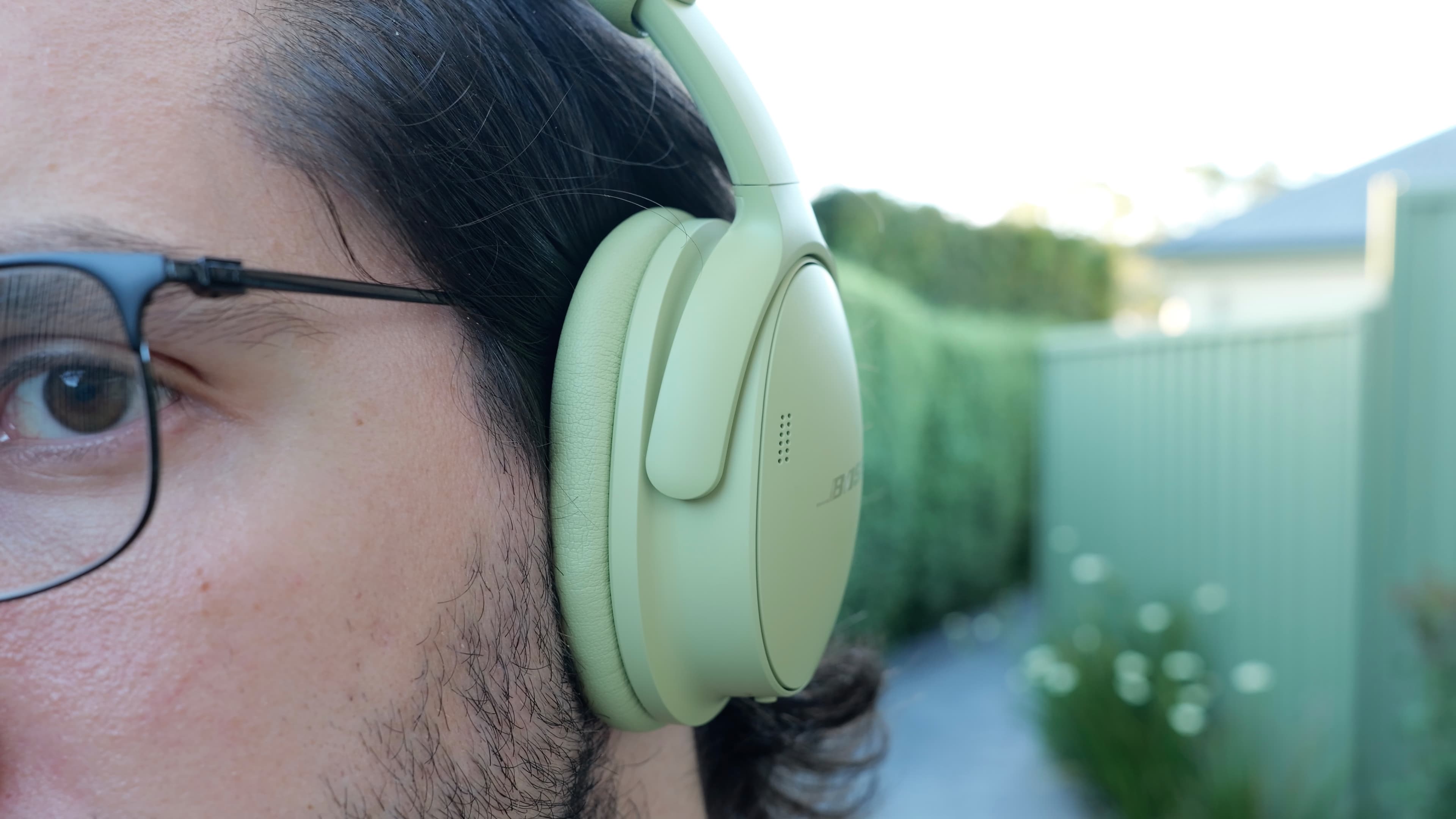
10/10At 240 g, with softer, roomier ear pads, these are the most comfortable headphones I've tested.
Battery life
6.5/10The stated 24 hours with noise cancelling on is a substantial step down from longer-lasting headphones on my ranking.
Controls
8.5/10The buttons are easy to use, but there is no wearing detection, call-mute control or fast-forward and rewind.
Connectivity
9/10You get Bluetooth 5.4, SBC, AAC, Google Fast Pair, multipoint and USB-C audio, but no high-resolution wireless codec.
Call quality
7.7/10Calls remain usable in the conditions I tested, though the microphones performed worse than the Ultra 2 in all three tests.
App customization and extra features
7/10The app covers the basics, but its three-band EQ cannot save custom presets.
Noise cancelling
9.25/10Plane-noise reduction was basically on par with the Ultra 2, with a small drop behind it against some middle and high frequencies.
Transparency mode
8.25/10Outside voices come through fairly clearly, but hearing my own voice sounded strange and windy conditions exposed its weaknesses.
The Pros and Cons
PROS
- The most comfortable headphones I've tested
- Clear, natural-sounding vocals and smooth treble
- Strong noise cancelling with very little hiss
- Easy-to-feel physical controls
CONS
- Only 24 hours of stated battery life with noise cancelling on
- Three-band EQ limits bass customisation
- No wearing detection
- My own voice sounded odd in transparency mode
- Light clamping force lets them shift during quick movements
How do the Bose QuietComfort Headphones (2nd Gen) sound?
I gave sound quality a 9 out of 10. Vocals are the standout: male and female voices sound clear, fairly natural and forward without being over the top. The treble is smoother than the Ultra 2's stock tuning, with enough detail and sparkle for cymbals to come through. Instrument separation is decent. The soundstage isn't especially open, but it doesn't feel closed in either.
The stock bass is a little boomy for my liking. Turning it down a few decibels cleans that up, although I lose some sub-bass along with it. I also give the mids a slight boost. A more flexible EQ would let me adjust sub-bass and mid-bass separately; Bose gives me just three bands. To my ears, the QuietComfort Ultra 2 still has slightly clearer vocals and better separation, but it isn't a night-and-day difference.
Are they comfortable enough to wear for long stretches?
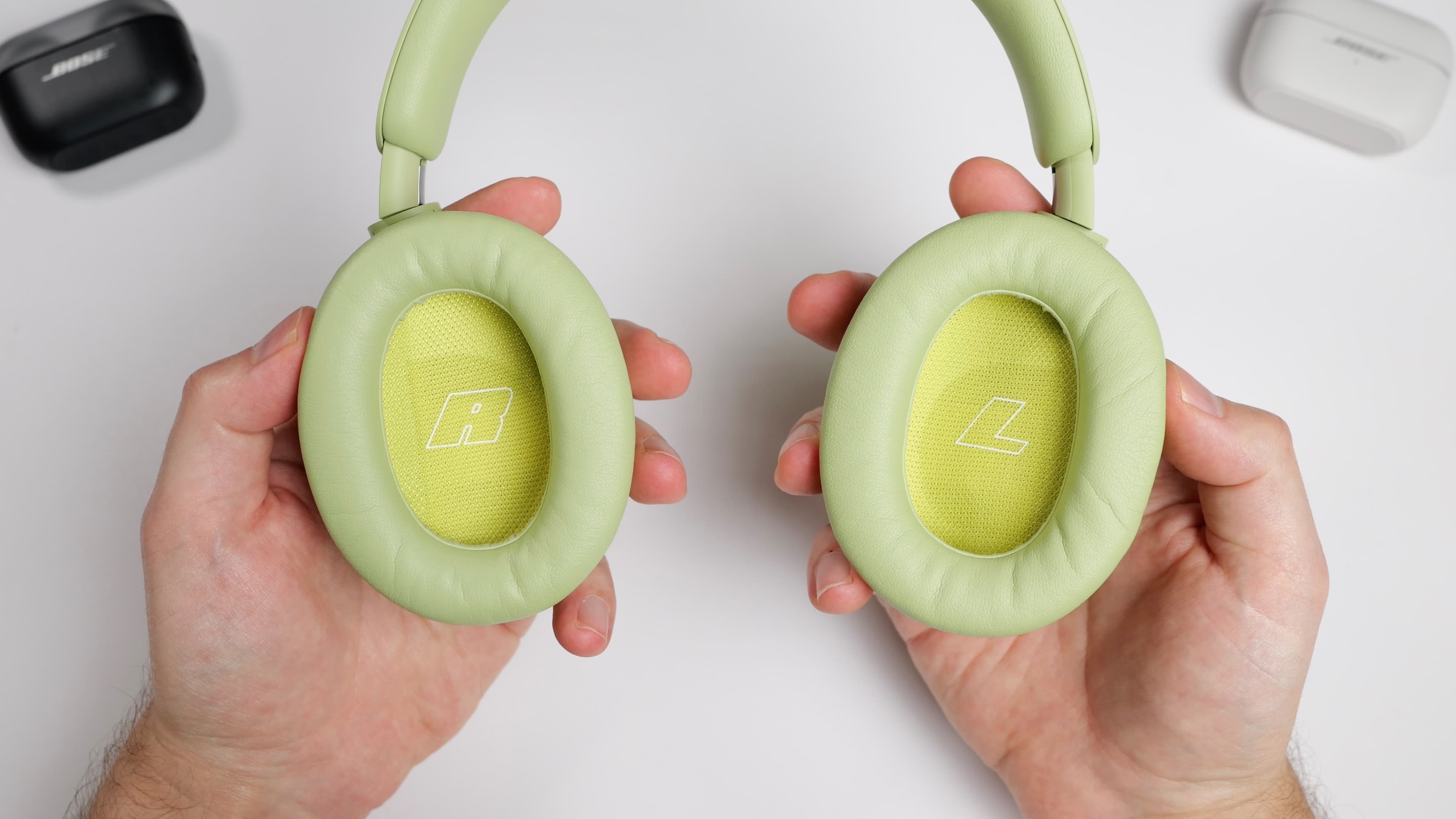
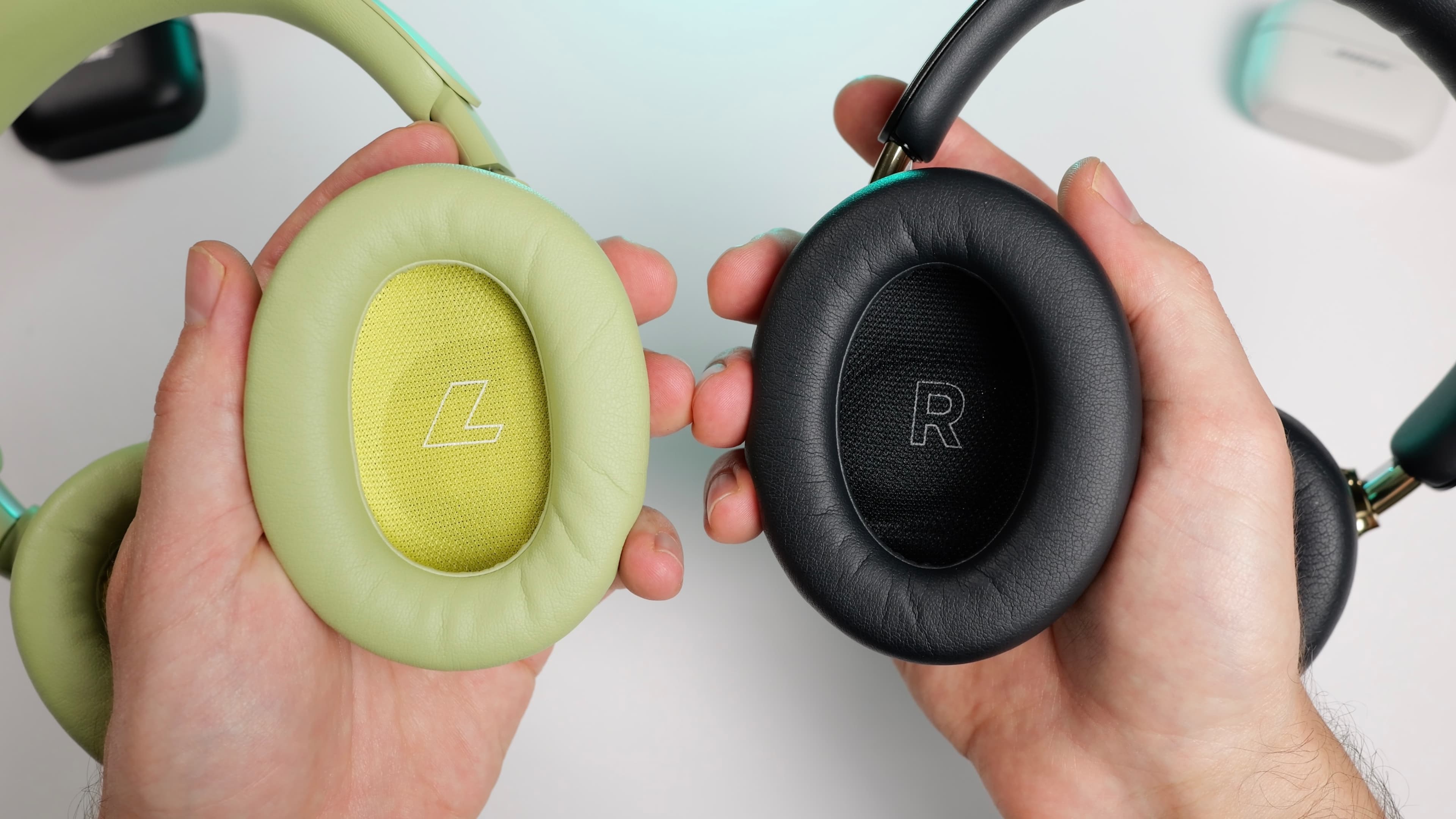
Fit is where these really stand out. They weigh 240 g, which is 24 g less than the Ultra 2, and the softer ear pads give my larger ears more room. Add the balanced clamping force and headband cushioning, and these are the most comfortable headphones I've tested. The softer pads may also feel better if you wear glasses.
That light clamp has a trade-off. I wouldn't recommend them for weight training or quick movements: they shouldn't fall off, but they can move out of place when you lean over. Build quality gets an 8.25 out of 10 from me. They don't feel cheap, though the ear pads don't feel as premium as the Ultra 2's. The thin, compact case should get the job done, but it has less internal protection.
What do you give up in battery life and features?
Battery life is the clearest compromise. Bose gives a figure of 24 hours with noise cancelling on, and I scored battery life a 6.5 out of 10. A 15-minute fast charge gives you 2 and a half hours of playback, and Bluetooth listening works while the headphones charge.
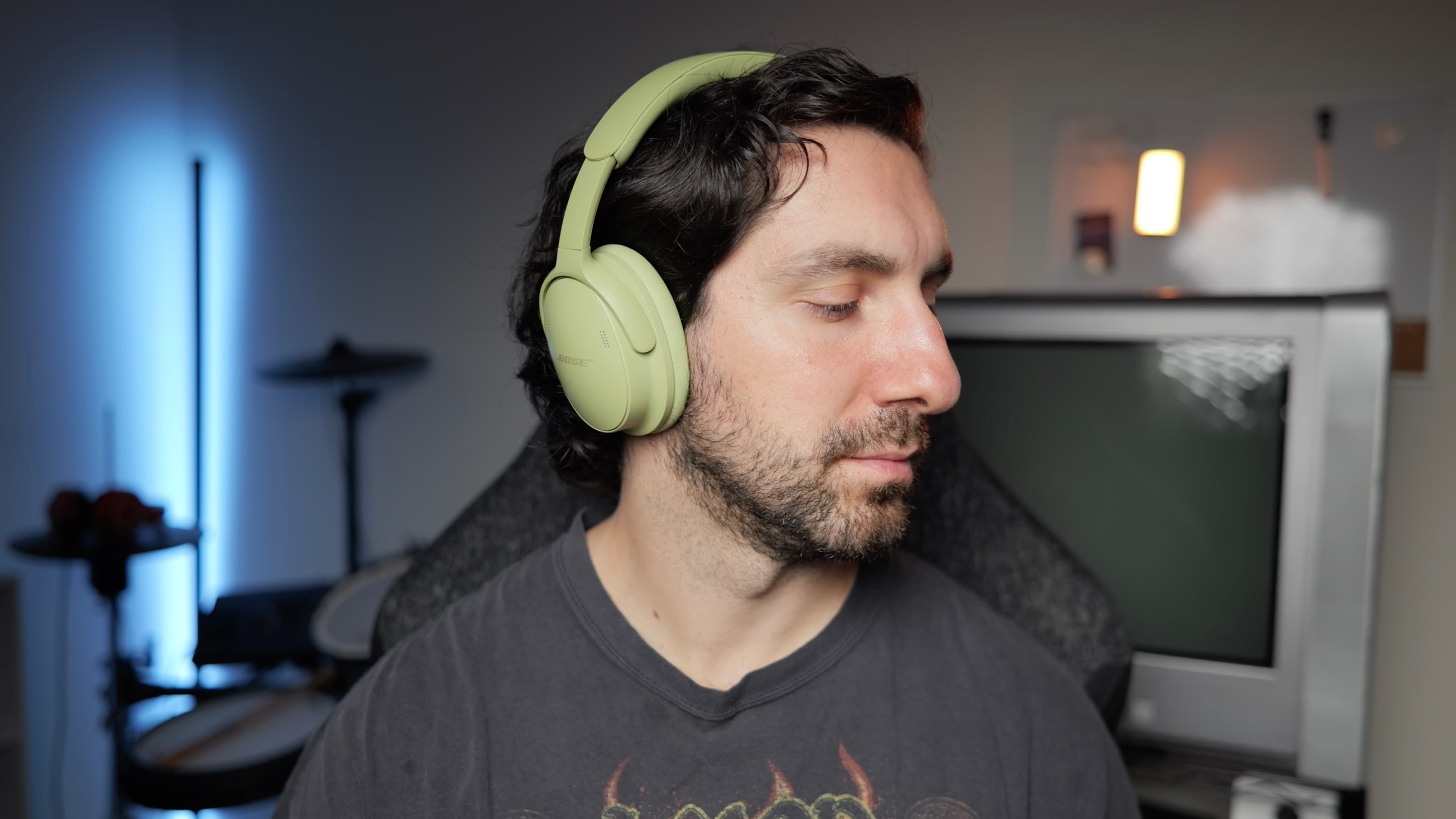
I much prefer these regular buttons to the Ultra 2's swipe volume control. The volume buttons are easy to identify by feel. Still, there is no wearing detection at this price, no mic-mute control for calls and no fast-forward or rewind control. The app's three-band EQ is restrictive too: I can't save my own presets. Immersive Audio with head tracking is fairly decent by headphone standards, although I personally don't use it.
Connectivity includes Bluetooth 5.4, SBC, AAC, Google Fast Pair and a multipoint connection for two devices. USB-C audio supports 24-bit, 48 kHz playback. You don't get a high-resolution wireless option here.
How good are the noise cancelling and transparency modes?
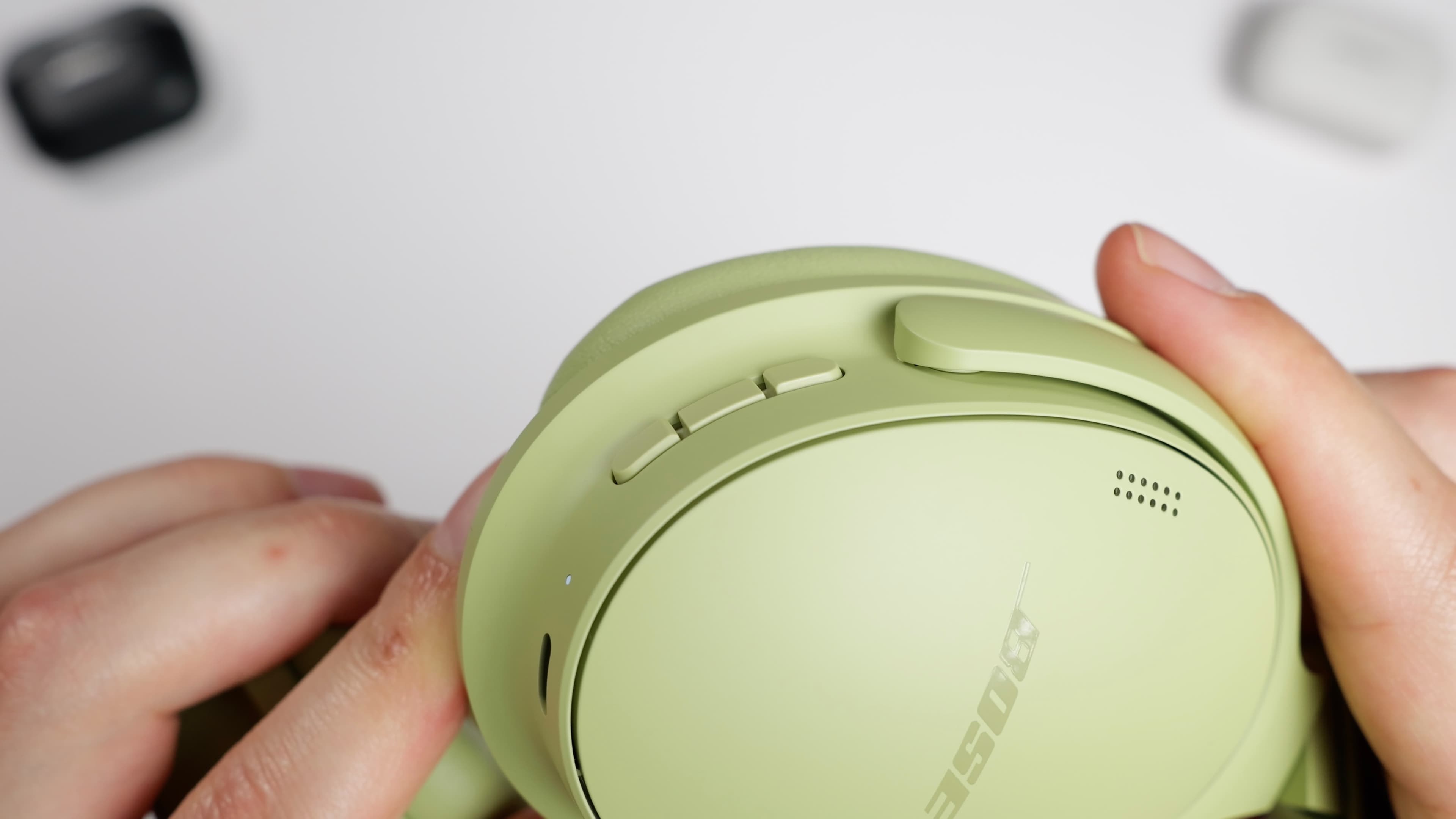
Noise cancelling scored 9.25 out of 10. In my plane-noise test, the QuietComfort Headphones (2nd Gen) were basically on par with the Ultra 2. They fell slightly behind it with crowd noise and music involving middle and high frequencies. The hiss is very low, and switching between noise cancelling and transparency didn't change the sound quality to my ears.
Wearing glasses let a little more noise through in my test. I didn't find Bose's technology for improving noise cancelling with glasses made much difference. Outdoors, the microphones can pick up wind quite loudly unless you use Wind Block. That mode stopped the wind pickup for me, but cost about 40% of the noise-cancelling strength.
Transparency mode picks up voices and distant sounds well, and ActiveSense responded quickly when external noise came in. My problem was hearing myself speak: my voice had a slight echo and an odd blocked-in quality. I checked another set and heard the same thing. The automatic wind reduction didn't work particularly well either, so I wouldn't choose transparency mode for a windy day.
Are calls good enough, and should you choose these over the Ultra 2?
I scored call quality a 7.7 out of 10 after phone-call tests in a quiet room, simulated crowd noise and simulated windy city noise with construction. I'd still call these usable across those conditions, but they performed worse than the QuietComfort Ultra 2 in all three tests.
My final score is 86.1 out of 100 after weighting the important categories. For the price, that's not too bad, but I think the Ultra 2 is the better option for sound, calls and noise cancelling. If call quality matters most, the soundcore Space 2 Pro is another option I discussed, though its sound isn't on the same level as Bose's to my ears. The Sennheiser Momentum 4 is worth considering if sound is your priority and you find it cheaper, even if its comfort and noise cancelling aren't quite up to Bose's.
THE VERDICT
It depends on the price you find. On a decent sale, I'd definitely consider the Bose QuietComfort Headphones (2nd Gen), especially if comfort comes first. At full price, their battery life and missing features make the stronger-scoring Ultra 2 harder to ignore. Stay picky.
Everything mentioned in this review
TAGS
Disclaimer: As an Amazon Associate I earn from qualifying purchases.